Why Players Enjoy Having Multiple Possibilities In One Game
20 August 2026 | 238
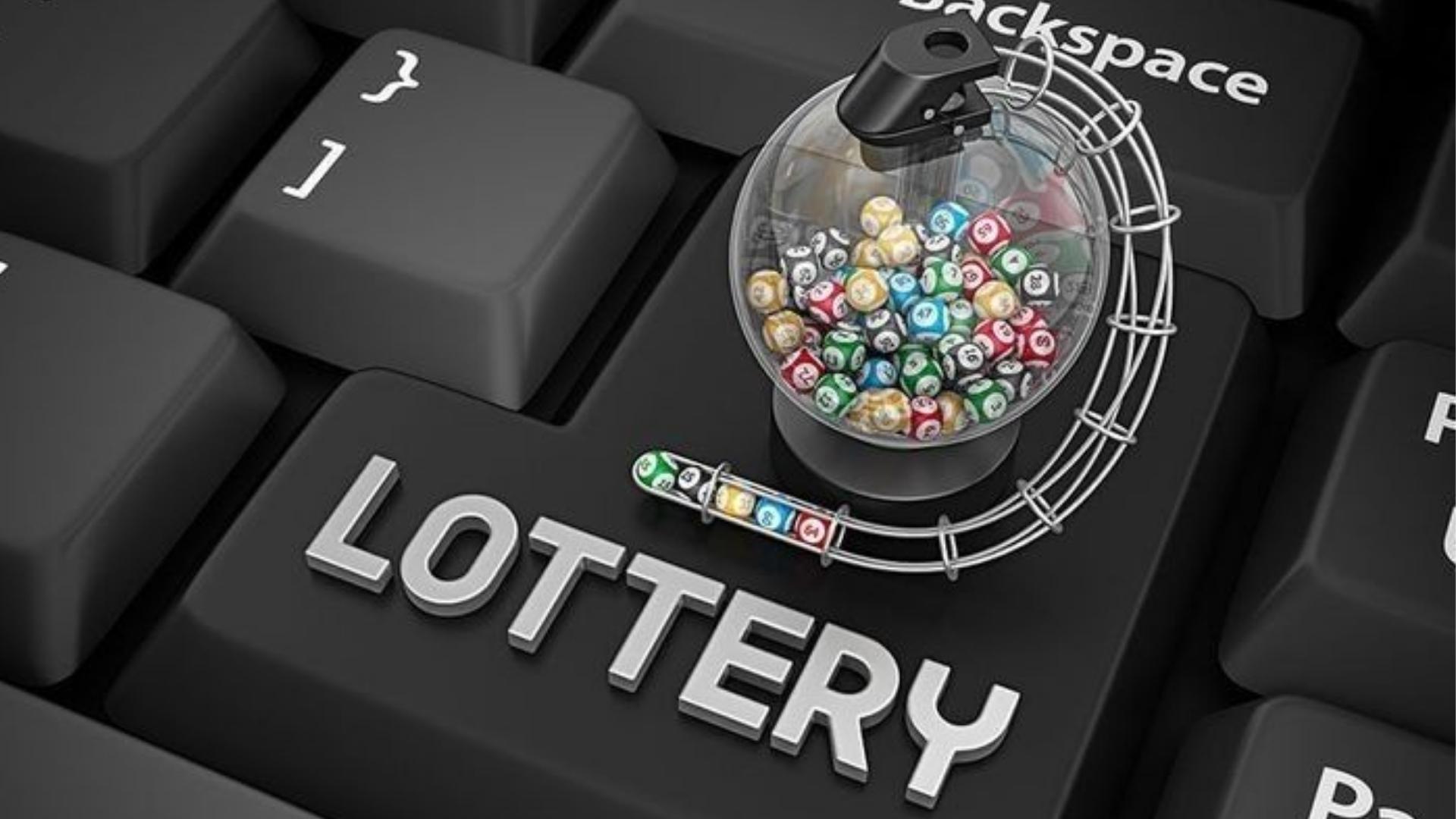
Modern game design has shifted away from linear paths to embrace environments that offer various outcomes and diverse journeys. When participants are granted multiple paths, choices, or reward tracks, their engagement levels rise naturally. This structural complexity changes a singular entertainment session into a highly personal adventure driven by individual curiosity.
The Psychology of Player Autonomy and Choice
Human psychology thrives when individuals feel a sense of control over their decisions and environments. In digital spaces, providing multiple possibilities allows users to express their personal strategic preferences. This sense of agency transforms standard gaming mechanics into an interactive canvas where no two journeys feel identical.
Furthermore, when a game presents diverse alternatives, the pressure of a single correct path is removed. Players feel more comfortable experimenting with creative strategies and testing unconventional solutions. This open framework directly stimulates curiosity and encourages deeper cognitive investment during gameplay.
Sustaining Engagement Through High Replayability
Games that offer only a single conclusion often suffer from a rapid decline in user interest once that ending is achieved. By embedding multiple structural possibilities, developers ensure that the core loop remains consistently fresh. Every new session becomes an opportunity to discover hidden content or test different tactical combinations.
This variety is particularly visible in modern casual and competitive layouts optimized for portable devices. For example, platforms like m88.com mobile demonstrate how flexible interfaces and diverse interactive options keep audiences thoroughly entertained on the go. Providing varied pathways ensures long-term retention across different player demographics.
The Appeal of Unpredictable Reward Systems
Another major reason players prefer having various options is the biological thrill linked to variable outcomes. When a game offers structured branching paths or multi-tiered prize segments, anticipation builds naturally. The brain responds positively to this calculated uncertainty, creating a memorable emotional experience.
By spreading potential achievements across distinct layers, game designers maintain a healthy balance of tension and satisfaction. Participants feel a continuous drive to explore alternative mechanics simply to see how the system responds. This ongoing curiosity forms a strong foundation for sustained entertainment value.
Creating a Secure Space for Strategy
Ultimately, a game with multiple possibilities acts as a sandbox for personal expression and tactical development. It satisfies the universal human desire for exploration while removing the monotony of predictable systems. As development technologies grow, the depth of these interactive spaces will continue to expand, offering even greater freedom for modern players.